
Plastic
Plastic
Conventional cleaning products use a lot of plastic. Sometimes the plastic is obvious, like laundry jugs and dish soap bottles. Plastic is sometimes hidden inside the packaging as pouches, liners, and wrappers. Newer innovations in cleaning have gone even further by putting plastic directly into the product in the form of dissolvable pods and sheets.
Plastic is hazardous to humans and the environment throughout its entire life cycle, from production to use and disposal. Pollution from production and disposal facilities affects people who work there and live nearby, increasing the risk of numerous diseases, including reproductive issues and cancer. Plastics are made with harmful chemicals and absorb toxins in the environment. Plastic waste breaks down into microplastics, which are increasingly being consumed by humans and animals through food, water, and even the air we breathe.
Plastic production is expected to triple by 2050, meaning the plastic problem is not going away. While plastic is deeply rooted in our daily lives, it doesn’t need to be integral to home cleaning.
Petroleum
Petroleum
Many home cleaning products are made from petroleum. This includes many of the detergents and surfactants used in laundry detergents, dish liquid, body cleansers, and multi-purpose cleaners.
Soap and detergent are both “surface-acting agents,” or surfactants, meaning they help clean by reducing the surface tension of water so that it can easily trap and remove dirt. For thousands of years, people have used soap made from lye and fats derived from plants and animals. Modern detergents were developed in the 1900s using petroleum in place of natural fats. Many cleaning, laundry, and body products are now made with petroleum-derived detergents.
Over 99% of all plastic is made from petroleum, meaning that both detergents and the plastic bottles they come in are products of the oil and gas industry. Fossil fuel emissions from energy, transportation, and manufacturing—including plastic—are all major contributors to climate change.
We believe that people should be able to clean their homes without contributing to the fossil fuel industry through petroleum byproducts in cleaning products.
Harsh Chemicals
Harsh Chemicals
Many of the chemicals used in conventional cleaning products pose health risks for people and the planet. Even common ingredients like chlorine bleach, ammonia, disinfectants, and fragrances can be harmful. Health issues include allergic reactions, eye and skin irritation, respiratory problems, endocrine disruption, reproductive issues, and cancer.
These chemicals affect the people who use and make these products, their communities, ecosystems, and the planet—and they’re not even needed for everyday cleaning. According to the CDC, regular cleaning with soap and water removes most dirt and germs and is enough to prevent the spread of bacteria and viruses.
Fragrance ingredients don’t make cleaning products more effective—they’re added to mask odors and create the impression of cleanliness. We’ve been conditioned to associate certain smells, like citrus and lavender, with freshness, but cleaning doesn’t have a smell. The purpose of cleaning is to remove contaminants like dirt and germs, but lingering scents result from fragrance chemicals sticking to surfaces in your home.
Powerful disinfectants, synthetic fragrances, petroleum-based detergents and additives, and plastic packaging and ingredients are all detrimental to people and the planet, and none of them are needed to clean your clothes and your home.
Greenwashing
Greenwashing
As public awareness of health and environmental issues grows, so does the demand for safe and sustainable products. This incentivizes companies to market their products as “eco-friendly,” “green,” “natural,” and a slew of other vague claims.
“Greenwashing” is the practice of making deceptive environmental claims that “mislead the public” and “promote false solutions” that “distract from and delay concrete and credible action,” according to the United Nations. Greenwashing is rampant in the cleaning products industry, where consumers are concerned about plastic packaging and toxic chemicals.
A prime example is the rise of laundry sheets and strips, which are made from a type of dissolvable plastic known as polyvinyl alcohol, or PVA. These products are almost always marketed as “eco-friendly” alternatives to liquid detergents. By emphasizing that cardboard boxes are used instead of plastic jugs, companies are misleading the public into believing that these products are addressing plastic pollution. In reality, they have substituted one type of plastic for another that is designed to flow directly into public water systems.
While the FTC publishes Green Guides to help marketers accurately represent claims, these guides are not laws and must be enforced through action by the FTC. Furthermore, the guides have not been updated since 2012, leaving loopholes for new types of products and claims to go unregulated.
It’s hard enough to find out what cleaning products are made from, how they’re made, and what impact they may have on your health and the environment. You deserve to know exactly what you’re buying, especially for products you use regularly around your home.
Lack of Transparency
Lack of Transparency
Greenwashing is part of a larger issue of secrecy in the cleaning products industry. Many manufacturers do not want to disclose what they use to make their products because they’re more concerned about profits than the health of their customers, workers, and the environment.
While there are now regulations for disclosing ingredients in home cleaning products, some companies still claim that their formulas are “trade secrets” that must be protected from competitors. In reality, they may be more concerned about public scrutiny. Plastic and synthetic ingredients are often cheaper in the short-term, but have long-term costs to people and the planet. Public pressure can bring change, such as when Procter & Gamble reformulated Tide detergent to reduce 1,4-dioxane levels in response to advocacy efforts to bring awareness to the carcinogenic contaminant.
This lack of transparency makes it extremely difficult to make informed decisions. You may not be able to tell whether a bar of soap is made from vegetable oil or petroleum. Or you may be allergic to certain scent ingredients, but have no idea what “fragrance” means on an ingredient list. Many people now use laundry sheets thinking that they’re a plastic-free solution.
Our founder Kate was inspired to start Meliora Cleaning Products when she realized that she couldn’t tell what was in her laundry detergent, even while studying for a Master’s degree in Environmental Engineering. Our goal is to make it perfectly clear what goes into every product we make.
Lack of Regulation
Lack of Regulation
Unfortunately, there are few regulations on the cleaning products industry. For the most part, companies can make products from whatever ingredients they choose, package them in as much disposable plastic as they like, share as little as possible about how they’re made, and make misleading claims about their safety and sustainability.
There is still no federal law requiring companies to disclose the ingredients used in home cleaning products. While regulations in California and New York have moved the needle, there is still a lot of work to be done. For instance, the Cleaning Product Right to Know Act (SB-258), enacted in California in 2017, requires manufacturers who sell cleaning products in the state to disclose ingredients on the product label and online. However, this law allows companies to “protect certain chemicals from disclosure by use of a generic name.” For instance, the term “fragrance” allows companies to hide any of the thousands of “fragrance” ingredients that are potentially harmful to the health of people and the planet.
Similarly, there is no federal regulation on packaging for most consumer goods. That means that companies can (and do) use as much single-use plastic in their packaging as they want with no responsibility for what happens to that plastic after the product is sold. An estimated 40% of all plastic waste comes from packaging. Some states have passed extended producer responsibility (EPR) laws that hold producers responsible for packaging waste from their products. To date, only 7 states have enacted EPR laws.
Globally, the United Nations is developing a Global Plastics Treaty to address plastic pollution, similar to the international Paris Agreement on climate change. It remains to be seen how such a treaty would hold companies and governments responsible for plastic production and disposal.
We believe that companies have a responsibility to everyone and everything impacted by their products—not just their investors.
We Design and Manufacture Our Own Products
Our Product Design Guidelines
-
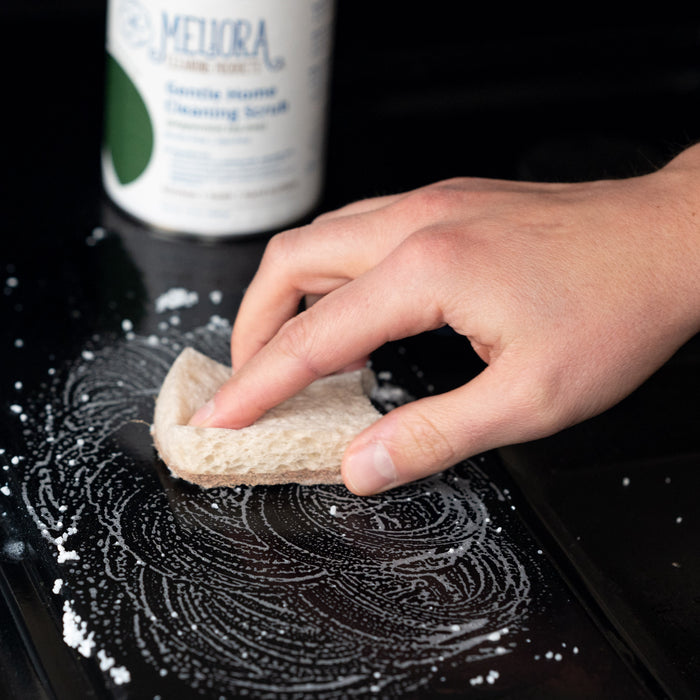
Effective
Our products do not compromise on cleaning power and work just as well as conventional alternatives.
-

People-Friendly
All products are made with ingredients that are safer for you, your family, and our workers who make them.
-

Planet-Friendly
All products are made with ingredients and packaging that minimize pollution, waste, and environmental impact.
How We Meet Our Standards
-
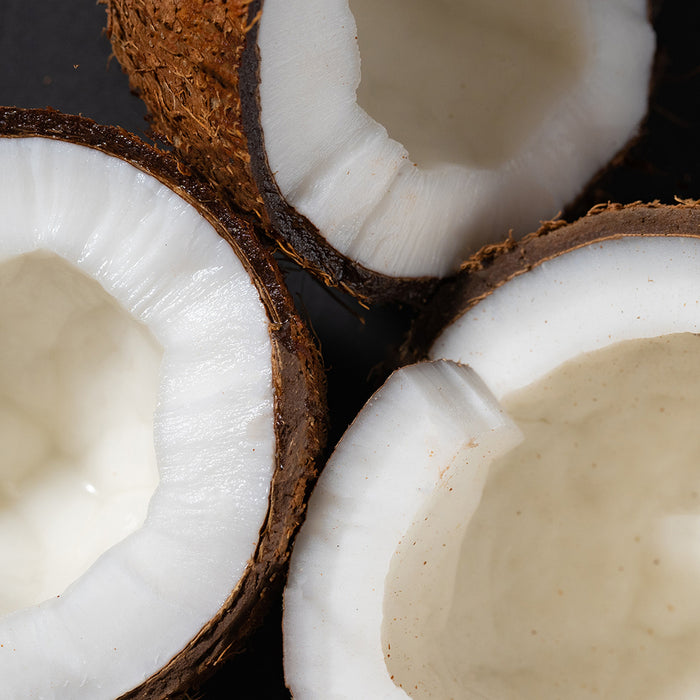
Safer Ingredients
All our products are made from a short list of ingredients, including baking soda, washing soda, sodium percarbonate, vegetable soaps, and organic essential oils.
-
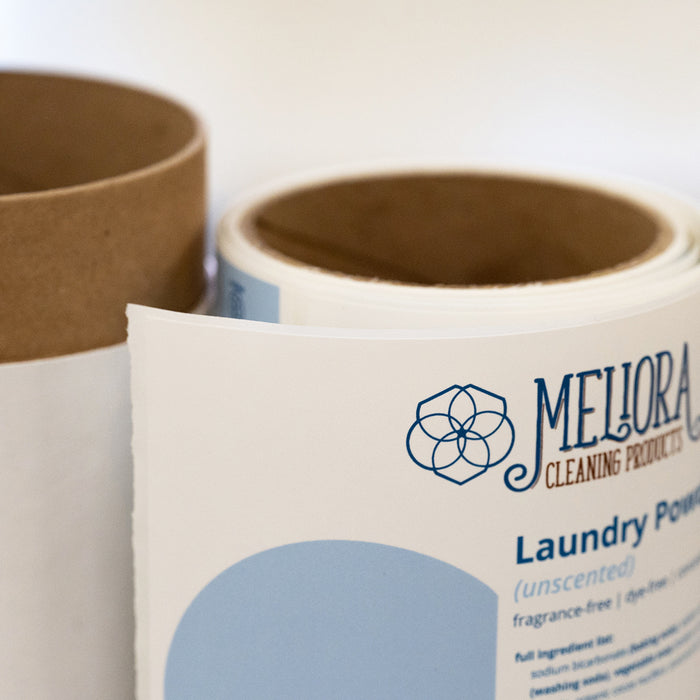
Sustainable Packaging
Our product packaging is made primarily of paper, steel, and glass. Our shipping materials are all cardboard and paper. All plastic is reusable with our refills and bucket return program.
-
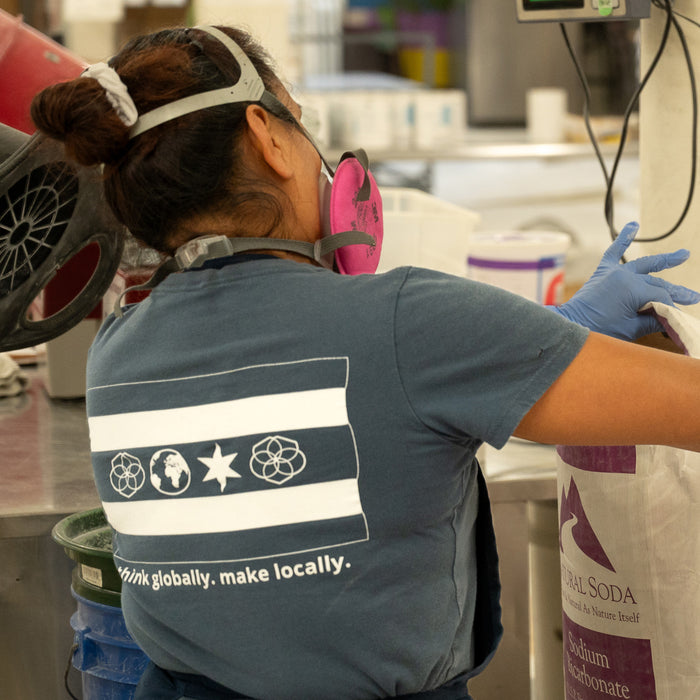
Made in the USA
Our products are manufactured at our Chicago factory from 70% domestically sourced materials.* Ownership of our manufacturing process is an integral part of living our values.
We Strive to Be a Better Business
Our Certifications
-
Certified B Corporation
B Corp certification demonstrates that a business meets the highest standards of social and environmental responsibility and accountability.
-
Certified Woman-Owned
The Women's Business Enterprise National Council (WBENC) offers the most recognized and respected national certification for women-owned businesses.
-

Living Wage for US
Living Wage for US certifies employers that provide living wages to ensure that every employee can afford a decent standard of living for themselves and their families.

-
MADE SAFE® Certified
MADE SAFE® certification is the strictest ingredient screening requirement in the industry and the only ingredient certification focused on both humans and ecosystems.
-
1% for the Planet Member
1% for the Planet connects businesses that pledge to donate 1% of their annual revenue with nonprofit organizations working on critical environmental causes.
-

Leaping Bunny Certified
Leaping Bunny certification is the highest standard for companies committed to using cruelty-free, animal-friendly practices across the entire supply chain.